- About Archives
- About SAA
- Careers
- Education
- Publications
- Advocacy
- Membership


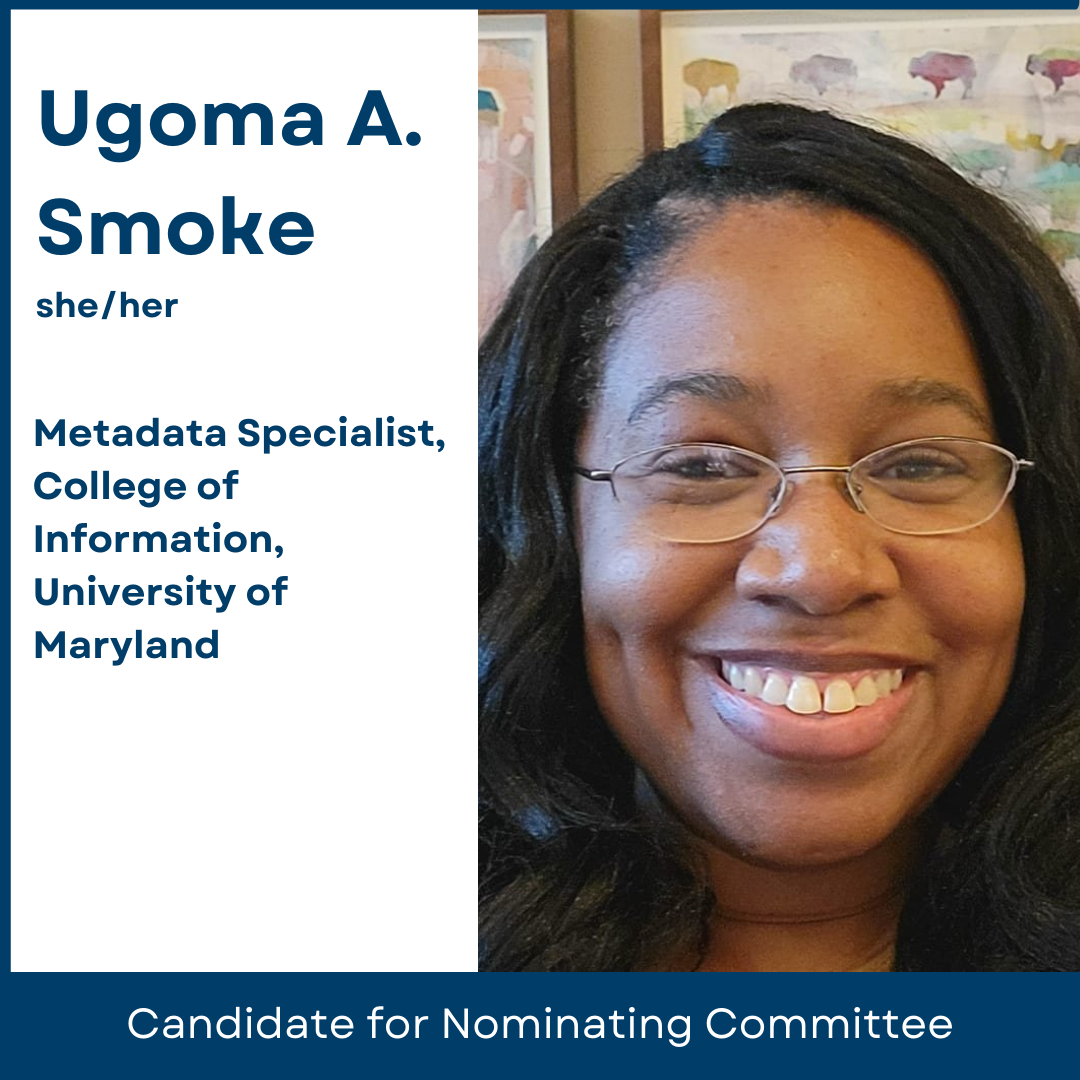
My archival career began during my internship at the Cherokee Heritage Center in the summer of 2016, where I developed a strong foundation in archival practice that continues to shape my professional work.
My archival career began during my internship at the Cherokee Heritage Center in the summer of 2016, where I developed a strong foundation in archival practice that continues to shape my professional work. This experience influenced my role as a Local History Research Assistant at the Thomas J. Harrison Pryor Public Library in Pryor, Oklahoma, located within Cherokee Nation, where I supported community-centered genealogy and archival research from 2015 to 2018. I hold a BA in Art History with an emphasis in Cultural Anthropology from the University of Akron and a Master of Library and Information Science from Kent State University, with specializations in Archives and Special Collections, Museum Studies, and Digital Preservation. From 2018 to 2022, I worked in library settings as both a paraprofessional and a librarian before transitioning into metadata-focused roles. In August 2023, I returned to archival work through my involvement with the IndigenizeSNAC project as part of the Indigenous Description Group. I now serve as a Metadata Specialist with the University of Maryland, following my role as a Research Assistant in Native and Indigenous Archives and Linked Data (2024-2025). I am actively engaged in professional service and leadership within SAA and SNAC. I serve as Chair of SNAC's Editorial Standards and Policy Working Group and Chair of the Indigenous Description Group's Editorial Guide Subgroup. I also serve as a Steering Committee Member of SAA's Native American Archives Section and the Metadata and Digital Objects Section. I have co-taught two SNACSchool sessions and have co-presented at the NAISA Conference (2025) and the ATALM Conference (2025).
CANDIDATE'S RESPONSE
While living in Kenwood, Oklahoma, a rural community within Cherokee Nation, I witnessed firsthand the barriers that many faced in accessing archival resources. During my time working in the library, I worked with many patrons who only knew fragments of their genealogies. Many community members faced limited archival resources and few opportunities to travel or share their knowledge for preservation, and as a result, important histories and perspectives were at risk of being lost. These experiences showed me how many community voices, viewpoints, and histories were often not always captured, while dominant narratives took precedence. This fueled my goal to work collaboratively with communities to preserve and share these stories, ensuring they remain accessible for future generations.
Since joining IndigenizeSNAC in August 2023, I've seen how creating structures for participation can empower voices that are often overlooked. I participated in SNACSchool and OpenRefine trainings, which strengthened my skills in metadata and data manipulation, and last year, I co-presented at the Native American and Indigenous Studies Association (NAISA) conference, sharing strategies for improving findability and guiding others in navigating SNAC. These experiences reinforced the importance of slowing conversations, listening first, and offering multiple ways for people to contribute, whether through discussion, written feedback, or smaller group work. In my role at the University of Maryland supporting projects like the Council for the Preservation of Anthropological Records (CoPAR) and Linking Anthropology's Data in Archives (LADA), I continue to apply these practices. I helped organize community events like Wiki Edit-a-thons and ensure that ethical approaches guide how Indigenous communities are represented in linked data. I intentionally created spaces where participants feel valued, heard, and safe to share their knowledge without pressure, recognizing that different people engage in different ways.By centering respect, humility, and reciprocity, I strive to make conversations collaborative rather than dominated by a few voices. I see my work as a two-way process with communities, where inclusive practices in archives and linked data are guided by the knowledge, priorities, and leadership of the communities whose histories we care for, while also contributing to the broader strength and sustainability of the profession.
CANDIDATE'S RESPONSE
First, I would consider the people I know, reflecting on their work backgrounds and the projects they are currently engaged in. The year 2025 has been difficult for many, and some members have had to start over in new job roles or professions. It is important to first take a step back to recognize if someone needs time to find their footing, and then work with them along the way until they feel comfortable returning to leadership roles.This involves empowering them to take ownership of responsibilities, lead discussions, organize meetings, and shape strategies that advance both short and long-term objectives. These steps are key when inspiring others to participate in leadership, as they help members recognize that they are capable and that the work they do makes a meaningful difference within SAA.I would emphasize that leadership is an opportunity to make a mark while serving others and advancing the work of the organization.
By highlighting the value of members' contributions and connecting them to the broader mission, we can help candidates feel both empowered and supported. To ensure a slate of candidates that reflects awareness of power, positionality, inclusion, and belonging, I would prioritize reaching out to members from diverse backgrounds and professional experiences. Providing encouragement, mentorship, and guidance throughout the nomination and election process can help foster confidence, ensure broader participation, and promote leadership that is attentive to equity and community-centered practice. By combining personal encouragement with intentional outreach, I aim to cultivate leaders who understand their roles as stewards of both SAA's mission and the diverse communities it serves.
|
The Nominating Committee has slated the following SAA members as candidates for office in the 2026 election: Vice President/President-Elect
Council
Nominating Committee
|