- About Archives
- About SAA
- Careers
- Education
- Publications
- Advocacy
- Membership

April 3, 2026—On April 1, the Department of Justice’s Office of Legal Counsel (OLC) provided the White House with an opinion that the Presidential Records Act (PRA) is unconstitutional, effectively permitting the President to treat presidential records as personal private property. This opinion is based on a highly selective interpretation of the history of the PRA and an adversarial approach by the White House to bypass Congress’s legislative powers.
March 31, 2026—A recent change has been made to the 2026 SAA election ballot. Due to unforeseen circumstances, candidate for Vice President/President-elect Lydia Tang has chosen to step out of the election. The Nominating Committee has added Alison Clemens to the election ballot. See the new, complete slate for the 2026 election below:
March 24, 2026—The Society of American Archivists (SAA) Foundation Board of Directors held its second quarter meeting virtually on February 23–24, 2026, to advance the Foundation’s mission of supporting the archives profession through strategic grantmaking, fundraising initiatives, and governance review.
March 23, 2026—The SAA Council held a hybrid meeting in Chicago, IL, on February 17 and 19. Highlights and key actions from the meeting are as follows:
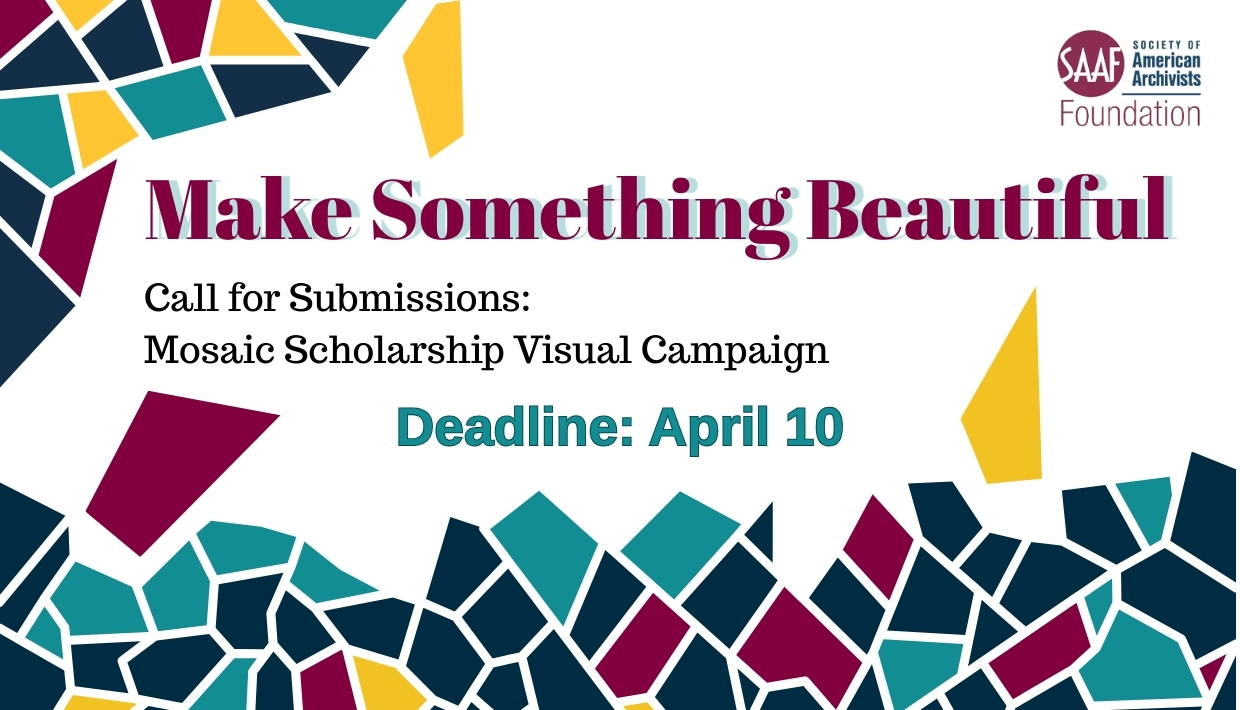
The SAA Foundation invites archival institutions, repositories, and collecting organizations of all kinds to contribute images for our upcoming Mosaic Scholarship visual campaign! Throughout the month of April, we will highlight the richness and diversity of archival collections by featuring photographs of mosaics, murals, and related visual materials from institutions across the archival community on our social media channels, especially on Instagram.
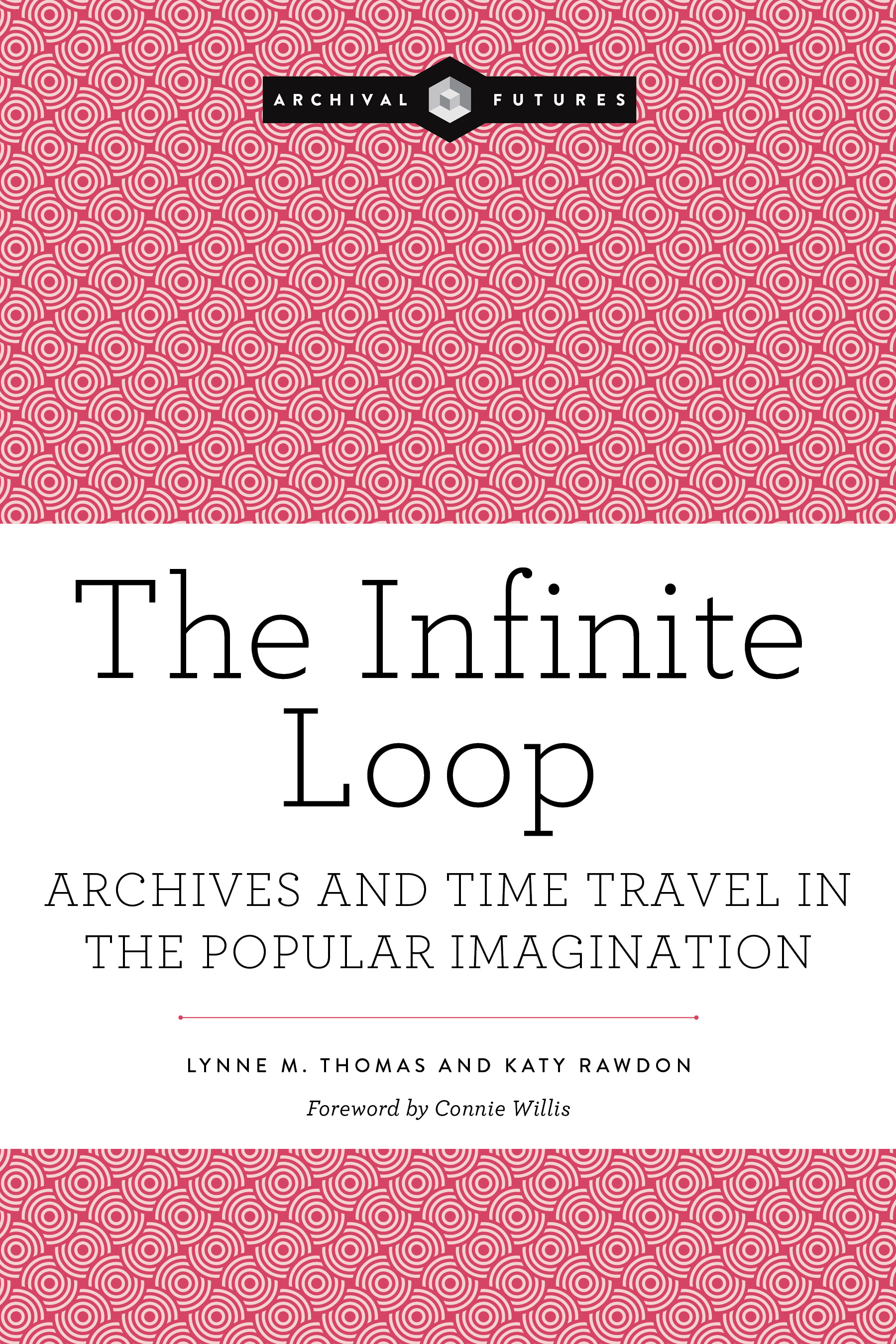
CHICAGO—The Infinite Loop: Archives and Time Travel in the Popular Imagination by Lynne M. Thomas and Katy Rawdon is out now! The newest entry in the Archival Futures series, a collaboration between SAA and the American Libraries Association, this book examines the intersection of archives and science fiction by exploring tropes and assumptions within the genre.
March 12, 2026—The Society of American Archivists, the nation’s oldest and largest association of professional archivists, is monitoring Bradford P. Wilson’s nomination to be the next Archivist of the United States.

Looking to refresh your library this year? Help SAA do some spring cleaning with our Spring Book Sale! Get unbeatable prices on select SAA titles.
Offer valid March 9–20, or while supplies last.