- About Archives
- About SAA
- Careers
- Education
- Publications
- Advocacy
- Membership

CHICAGO—During the month of June 2026, SAA‘s Career Services Counseling will be open for archival job seekers everywhere. This service is one of the most valuable benefits of SAA membership.
Are you applying for your first job, facing a mid-career job search, or considering a new career path? SAA Career Services Counselors are standing by with tips, advice, and feedback for every phase of your career journey.
CHICAGO—As the United States approaches its 250th anniversary in 2026, the Society of American Archivists (SAA) has launched “250 for the 250th,” a national digital repository and website designed to showcase one piece of American history from archives in every state, DC, and the seven territories. The goal is to receive a minimum of 250 documents, but the hope is to include many more.
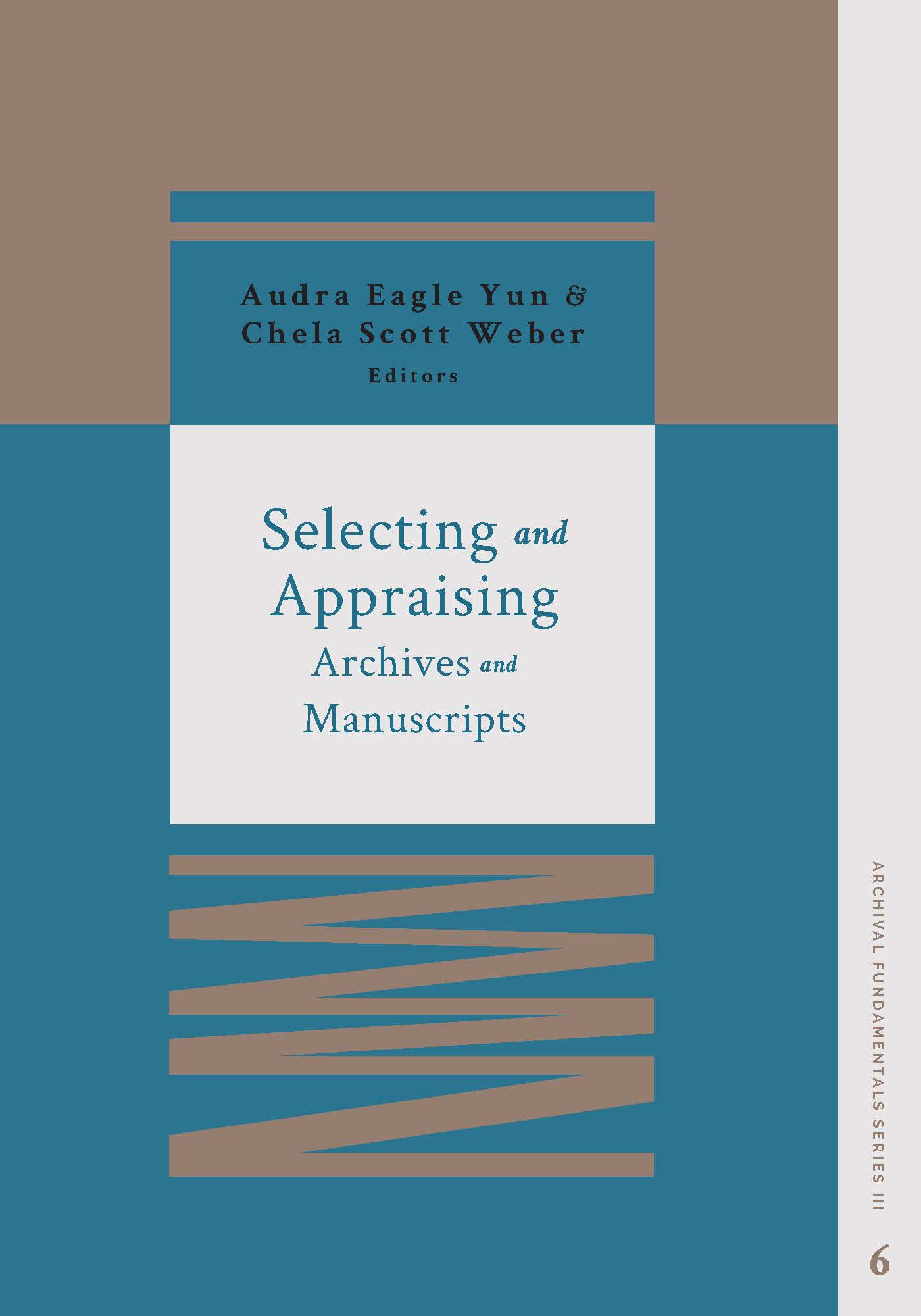
Free virtual event: The Art and Science of Selecting and Appraising
May 4, 2025 | 12:00pm – 1:00pm CT
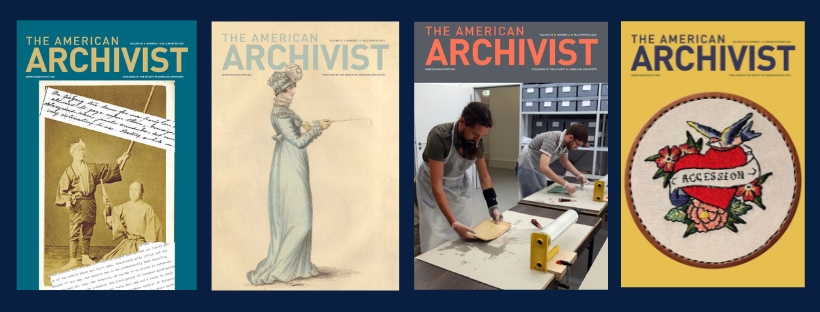
The Society of American Archivists seeks an avid reader, writer, and editor of professional archival literature to serve as Editor of American Archivist.
April 9, 2026—The SAA Foundation is pleased to announce that applications for the Annual Meeting Travel Awards are now open.
April 8, 2026—In recent months, there have been a number of actions taken by the National Park Service in an effort to comply with the Trump Administration’s Executive Order Restoring Truth and Sanity to American History and Executive Order Ending Radical and Wasteful Government DEI Programs and Preferencing.
April 8, 2026—In recent months, there have been a number of actions taken by the National Park Service in an effort to comply with the Trump Administration’s Executive Order Restoring Truth and Sanity to American History and Executive Order Ending Radical and Wasteful Government DEI Programs and Preferencing.